



When Buying a Vehicle in 2026: Do You Need Power, or Just Enough Horsepower?
For decades, consumers evaluating a new vehicle primarily focused on one metric: horsepower. A low-horsepower engine (typically 90 HP) was often seen as underpowered and insufficient, while a high-horsepower engine (300+ HP) was considered desirable for performance and luxury.
Today, this perspective is evolving. Industry experts note that the demand for excessive horsepower is decreasing as consumers become more cost-conscious and aware of environmental concerns. However, choosing the right amount of power remains crucial for an enjoyable driving experience.
This comprehensive guide examines the reality of horsepower requirements in 2026, comparing low-power and high-power vehicles to help consumers make an informed decision.
What is Horsepower, Anyway?
Before diving into the comparisons, it’s essential to understand what horsepower actually measures. Horsepower (HP) is a unit of power equal to 550 pounds raised one foot in one second, or approximately 746 watts. In the context of vehicles, it measures the rate at which an engine can perform work.
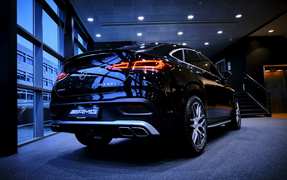 Higher horsepower generally means greater acceleration and top speed. However, it does not necessarily translate to better fuel efficiency or greater reliability.
Why Traditional 0-60 MPH Times Matter Less in Everyday Driving
Many buyers still focus on 0-60 MPH times as a primary indicator of vehicle performance. While this metric is useful for racing enthusiasts, it rarely reflects real-world driving conditions. In daily life, most drivers do not perform standing starts. Instead, they need to merge onto highways, overtake slower vehicles, and accelerate from medium speeds.
Therefore, the ability of a vehicle to accelerate from 60 to 100 km/h (approx. 37–62 MPH) is often more important than its 0–60 MPH time. This metric determines how confident and responsive a vehicle feels during overtaking maneuvers.
90 HP: The Right Fit for Daily Drivers
Vehicles with 90 HP are not necessarily slow. They require more planning and anticipation than higher-powered cars but offer a relaxed and efficient driving experience. In city traffic and suburban commutes, a 90 HP engine is sufficient. It demands attention but not effort, and many drivers find it less stressful than high-performance vehicles.
For consumers who primarily drive to work, run errands, and travel predictable routes, a 90 HP car provides reliability and efficiency without unnecessary complexity. In these situations, power is not an end goal but a functional requirement.
When 90 HP Might Not Be Enough
There are scenarios where a 90 HP engine may fall short. On highways with steep inclines, heavy loads, or heavy traffic, a lack of power can make overtaking feel slow and sluggish. Additionally, drivers who frequently navigate winding roads or require quick responses may find a 90 HP vehicle underpowered.
Cars under 150 HP are suitable for drivers seeking fuel efficiency and low emissions. However, buyers who want strong acceleration or towing capacity may need to consider vehicles with higher horsepower ratings.
300 HP: Performance That’s Rarely Needed
A 300 HP engine provides significant power reserves, making overtaking feel effortless. However, in 2026, few drivers regularly utilize this level of power. While it may feel luxurious, it often comes at the cost of lower fuel efficiency and higher emissions.
Higher horsepower generally means greater acceleration and top speed. However, it does not necessarily translate to better fuel efficiency or greater reliability.
Why Traditional 0-60 MPH Times Matter Less in Everyday Driving
Many buyers still focus on 0-60 MPH times as a primary indicator of vehicle performance. While this metric is useful for racing enthusiasts, it rarely reflects real-world driving conditions. In daily life, most drivers do not perform standing starts. Instead, they need to merge onto highways, overtake slower vehicles, and accelerate from medium speeds.
Therefore, the ability of a vehicle to accelerate from 60 to 100 km/h (approx. 37–62 MPH) is often more important than its 0–60 MPH time. This metric determines how confident and responsive a vehicle feels during overtaking maneuvers.
90 HP: The Right Fit for Daily Drivers
Vehicles with 90 HP are not necessarily slow. They require more planning and anticipation than higher-powered cars but offer a relaxed and efficient driving experience. In city traffic and suburban commutes, a 90 HP engine is sufficient. It demands attention but not effort, and many drivers find it less stressful than high-performance vehicles.
For consumers who primarily drive to work, run errands, and travel predictable routes, a 90 HP car provides reliability and efficiency without unnecessary complexity. In these situations, power is not an end goal but a functional requirement.
When 90 HP Might Not Be Enough
There are scenarios where a 90 HP engine may fall short. On highways with steep inclines, heavy loads, or heavy traffic, a lack of power can make overtaking feel slow and sluggish. Additionally, drivers who frequently navigate winding roads or require quick responses may find a 90 HP vehicle underpowered.
Cars under 150 HP are suitable for drivers seeking fuel efficiency and low emissions. However, buyers who want strong acceleration or towing capacity may need to consider vehicles with higher horsepower ratings.
300 HP: Performance That’s Rarely Needed
A 300 HP engine provides significant power reserves, making overtaking feel effortless. However, in 2026, few drivers regularly utilize this level of power. While it may feel luxurious, it often comes at the cost of lower fuel efficiency and higher emissions.
 For many consumers, a 300 HP engine represents overkill. Drivers who prioritize fuel economy, reliability, and low maintenance costs may find higher-horsepower vehicles to be an unnecessary expense.
Sporty Models with Over 250 HP
Vehicles with 250–300 HP are designed for drivers who prioritize performance and luxury. These vehicles offer strong acceleration, responsive handling, and premium features. However, they are often more expensive to purchase and maintain than lower-powered cars.
The Real Difference: Tension vs. Relaxation
The difference between a 90 HP and 300 HP car is not simply about speed; it’s about the driver’s experience. A low-power car requires more planning and focus, while a high-power car allows for more relaxed and confident driving.
Two Different Driving Experiences
Some drivers prefer cars that are reliable, predictable, and efficient. For them, power is a functional requirement, not a status symbol. Others prefer cars that offer performance reserves, feel confident, and express their personality.
Both driving styles are valid, and the right choice depends on individual preferences and needs.
The Honest Question Before Buying in 2026
Before choosing a vehicle, consumers should ask themselves: When was the last time I was frustrated by a lack of power, and when was I annoyed by too much effort? An honest assessment of these questions will help buyers determine whether a 90 HP or 300 HP engine meets their needs.
Conclusion
90 horsepower and 300 horsepower represent different expectations for daily life. A 90 HP car is ideal for drivers who prioritize efficiency and reliability, while a 300 HP car is better suited for those who desire performance and luxury.
For many consumers, a 300 HP engine represents overkill. Drivers who prioritize fuel economy, reliability, and low maintenance costs may find higher-horsepower vehicles to be an unnecessary expense.
Sporty Models with Over 250 HP
Vehicles with 250–300 HP are designed for drivers who prioritize performance and luxury. These vehicles offer strong acceleration, responsive handling, and premium features. However, they are often more expensive to purchase and maintain than lower-powered cars.
The Real Difference: Tension vs. Relaxation
The difference between a 90 HP and 300 HP car is not simply about speed; it’s about the driver’s experience. A low-power car requires more planning and focus, while a high-power car allows for more relaxed and confident driving.
Two Different Driving Experiences
Some drivers prefer cars that are reliable, predictable, and efficient. For them, power is a functional requirement, not a status symbol. Others prefer cars that offer performance reserves, feel confident, and express their personality.
Both driving styles are valid, and the right choice depends on individual preferences and needs.
The Honest Question Before Buying in 2026
Before choosing a vehicle, consumers should ask themselves: When was the last time I was frustrated by a lack of power, and when was I annoyed by too much effort? An honest assessment of these questions will help buyers determine whether a 90 HP or 300 HP engine meets their needs.
Conclusion
90 horsepower and 300 horsepower represent different expectations for daily life. A 90 HP car is ideal for drivers who prioritize efficiency and reliability, while a 300 HP car is better suited for those who desire performance and luxury.
 The decision ultimately depends on individual driving styles and preferences. In 2026, consumers are increasingly opting for fuel-efficient, reliable vehicles that meet their daily needs without compromising performance or luxury.