
Reimagining the Cockpit: Why 2026 Marks a Return to Tactile Logic in Automotive Design
The landscape of automotive interiors is undergoing a seismic shift. The relentless push for technological advancement, marked by sleek, minimalist designs and the pervasive dominance of touchscreens, has reached a critical inflection point in 2026. While these innovations promised a futuristic, sophisticated experience, the practical realities of daily driving have exposed a fundamental flaw in this approach. This article delves into why the automotive industry is pivoting back towards physical controls, the ergonomic implications of touchscreen reliance, and what the future holds for vehicle interiors that prioritize safety, intuitiveness, and genuine usability.
The Turning Point: 2026 and the Crisis of Over-Digitalization
In 2026, the automotive world is grappling with a phenomenon that can only be described as a maturation of design philosophy. The era of the “glass cockpit” has reached its peak, and manufacturers are beginning to recognize that the relentless pursuit of minimalism and digital integration has come at a cost to ergonomics and driver focus.
The core of this transformation lies in a fundamental shift in understanding: technology is not an end in itself but rather a tool to support the driver. The current trajectory suggests a return to tactile interfaces in cars, where physical controls regain their prominence not as nostalgic design elements, but as essential ergonomic solutions. This paradigm shift is driven by a growing realization that the cognitive load imposed by touchscreen-heavy cockpits is a significant distraction for drivers.
The Illusion of Progress
For years, the industry operated under the assumption that progress was synonymous with digitization. The larger and more refined the touchscreen, the more modern and premium the vehicle was perceived to be. This reductionist approach, equating minimalism with quality, was driven by several factors:
Technological Advancements: Falling costs and increasing power of display technology made it feasible to centralize a vast array of functions within a single interface. This streamlined production and reduced the number of mechanical components required.
Consumer Electronics Influence: The success of smartphones and tablets, which rely on touch-based interaction, led manufacturers to believe that the same logic would translate seamlessly to vehicles.

Industry Competition: As automotive technology evolved, manufacturers sought to differentiate themselves through high-tech, futuristic designs that captured public attention and impressed critics.
However, this vision overlooked a critical distinction between consumer electronics and automobiles. While a tablet is used in a static, comfortable environment where attention is not divided, a car is operated while in motion. Drivers must focus on the road, navigate traffic, and react to dynamic situations, all while operating complex controls. The shift towards touchscreens introduced a cognitive burden, forcing drivers to look away from the road to find, activate, and confirm inputs.
This has led to a period of re-evaluation in 2026. Manufacturers are recognizing that ergonomics—the science of designing systems that fit human capabilities—is paramount in vehicle operation. The “glance seconds” spent searching for controls have become a critical safety concern, driving the move back to physical controls that can be operated intuitively without visual confirmation.
The Science of Tactile Interaction and Safety
The core of this ergonomic shift is the difference between tactile interaction and visual interaction. A physical button has a distinct tactile quality; its position is fixed, and its operation is predictable. This allows for muscle memory to take over, enabling drivers to operate controls without taking their eyes off the road.
The Cost of Distraction
In 2026, the automotive industry understands that even milliseconds matter when operating a vehicle. While touchscreen interfaces may seem sophisticated, they introduce a higher degree of visual dependency. The input process involves:
Visual Search: The driver must look at the screen to locate the correct icon or menu.
Actuation: The driver must physically manipulate the screen, which requires precision that can be difficult under distracted or stressful driving conditions.
Feedback Confirmation: The driver must verify that the input was registered, often requiring a second glance to ensure the system responded correctly.
These actions, when added together, increase cognitive load. In a fast-paced environment, this added load can impair reaction times and reduce situational awareness. This is why physical controls are regaining prominence—they allow drivers to keep their eyes on the road while making necessary adjustments.
The industry is now focusing on a functional differentiation of interfaces. While screens excel at displaying complex information, physical controls are preferred for frequent, safety-critical functions such as climate control, volume adjustment, and driving modes. This approach aligns with the user-centered design philosophy, where technology is adapted to the user’s needs rather than forcing the user to adapt to technology.
Cost Analysis: The Economic Impact of Interior Design
The shift in automotive interior design is not just a matter of ergonomics; it is also an economic decision for manufacturers and consumers. As we analyze car interior costs and vehicle pricing in 2026, we see that the evolving landscape offers both savings and potential trade-offs.
Manufacturing Perspectives
For manufacturers, the centralization of functions in touchscreens allowed for production cost reduction. Fewer mechanical components translate to less complexity, easier assembly, and greater scalability. However, as the industry moves back towards physical controls, costs may increase due to the need for more intricate engineering and manufacturing processes for tactile switches and knobs.
Conversely, the trend towards smart surfaces and high-definition displays is also driving up production costs. The integration of advanced materials and seamless glass interfaces requires significant investment in research and development.
Consumer Savings Opportunities
Consumers, on the other hand, stand to benefit from more pragmatic interior designs. While some might be drawn to luxury vehicle interiors that prioritize premium materials and advanced technology, the shift towards intuitive interfaces offers a different kind of value: savings through efficiency and reduced risk.
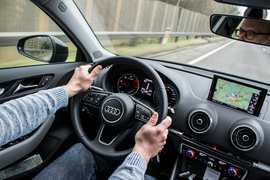
Saving money on car insurance is a primary consideration for buyers in 2026. Vehicles with superior infotainment systems that minimize distraction are increasingly favored by insurers. Drivers who can operate controls without looking away from the road are less prone to accidents, which may lead to lower insurance rates.
Furthermore, the long-term cost of vehicle ownership includes maintenance and repairs. While advanced digital interfaces can offer enhanced connectivity and customization, they can also be expensive to repair if they malfunction. A focus on durable, well-integrated physical controls may lead to lower maintenance costs over the vehicle’s lifespan.
Best Financial Strategies: Navigating the 2026 Automotive Market
For consumers looking to buy or invest in a vehicle in 2026, understanding these trends is crucial for making sound financial decisions. This section provides insights into the best strategies for navigating the changing landscape of automotive interiors.
What This Means for You
If you are in the market for a new car, you will encounter a mix of traditional and cutting-edge designs. Choosing the right car interior should be based on your driving habits and priorities.
Consider your driving style: Do you spend a lot of time in stop-and-go traffic in the city, or do you primarily drive on highways? Do you need quick access to climate controls or music? These factors should guide your choice of interior design.
Research new models: Manufacturers like BMW and Mercedes are leading the charge in integrating physical controls back into their vehicles. Research new models that emphasize ergonomic design and driver-focused cockpits.
Compare options: Use car comparison tools to evaluate the interior design and technology features of different vehicles. Pay attention to reviews from other drivers who have experienced the same interior in real-world driving conditions.
Should You Buy, Wait, or Rent/Invest?
In the 2026 automotive market, the decision to buy, wait, or rent depends on your financial situation and long-term goals.
Buying: If you are looking for a reliable vehicle that offers a blend of advanced technology and intuitive controls, now is a good time to buy. As manufacturers transition to more balanced interior designs, you can find vehicles that meet both your aesthetic and functional needs.
Waiting: If you are interested in seeing how the market evolves, it may be worth waiting for new models to be released. The trend towards refined ergonomic design is gaining momentum, and you can expect to see more innovative interior solutions in the coming years.
Renting/Investing: For those looking for flexibility or short-term use, car rental services offer an excellent way to experience different interior designs before committing to a purchase. As the automotive landscape continues to evolve, real estate investment in new technology may also be a smart long-term play for those interested in emerging automotive trends.
Mistakes to Avoid That Could Cost You Money
To avoid costly mistakes, be aware of the following pitfalls:
Ignoring Ergonomics: Do not prioritize sleek design over functionality. A stylish but difficult-to-use interior can increase driver frustration and safety risks.
Forgetting About Maintenance: Advanced, highly integrated digital systems can be expensive to repair if they fail. Ensure you understand the warranty coverage and maintenance costs associated with the vehicle’s interior technology.
Relying Solely on Press Reviews: While industry reviews can be helpful, prioritize real-world driver feedback. Look for reviews that discuss the usability of the interior in everyday driving conditions, not just aesthetics.
Case Studies: Real-World Examples of Interior Evolution
To illustrate the shift in automotive interior design, let’s examine a few real-world examples from 2026. These scenarios highlight the challenges and solutions in modern cockpit design.

Case Study 1: The Commuter’s