
Car Horsepower Decoded: How Much Power Do You Really Need in 2026?
The automotive world thrives on numbers, but none capture the essence of daily driving quite like horsepower. A 90-horsepower engine might seem sluggish on paper, evoking images of strained climbs and timid mergers. Conversely, a 300-horsepower beast conjures feelings of unrestrained power and exhilarating acceleration. However, the reality of everyday life rarely aligns with these extremes. For the average driver navigating city streets and congested highways, the critical question isn’t about theoretical capability but about practical necessity.
This isn’t a discussion about the latest sports car models or 0-60 mph times. It’s a practical examination of how different levels of car horsepower impact your daily commute. As an industry expert with over ten years in automotive consulting, I’ve witnessed firsthand how buyers often conflate raw power with driving enjoyment, leading to expensive mistakes. This guide will help you demystify horsepower numbers and decide how much power you truly need in 2026.
Why 0-100 Time Isn’t the Deciding Factor
Many purchasing decisions are still dictated by a single metric: the 0-100 km/h sprint time. It sounds objective, measurable, and comparable—the ideal benchmark for performance enthusiasts. But in the chaos of real-world traffic, this metric often proves irrelevant. The majority of everyday driving situations do not begin from a standstill.
Instead, most drivers are engaged in more mundane tasks: merging onto a busy highway, overtaking a truck on a winding country road, or accelerating smoothly from medium speeds. What matters isn’t the initial burst of speed from zero, but the responsiveness of the engine at higher speeds, typically between 60 to 100 km/h. It is within these moments that you truly gauge whether an overtaking maneuver feels confident or sluggish.
Herein lies the critical difference between a 90-horsepower engine and a 300-horsepower engine. The real-world performance disparity is most apparent during these crucial mid-speed accelerations.
90 Horsepower: Quiet Capability in the Everyday
A 90-horsepower vehicle doesn’t demand aggressive driving; rather, it requires clarity and forethought. It rewards drivers who plan ahead with calm, predictable journeys. Acceleration is measured and controlled, not impulsive. Overtaking is a deliberate action, requiring anticipation rather than reflex. The driver remains mentally engaged, rather than merely following the pace of traffic.
In typical daily conditions, such a car isn’t slow, but neither is it overly powerful. It demands attention but not excessive effort. Paradoxically, this can make driving relaxing because there’s no pressure to rush. For drivers who commute daily, value predictability, and prefer simplicity, a car with 90 HP is often the most pragmatic choice. It provides sufficient power without the complexity, weight, or increased car insurance cost often associated with more potent engines.
When Insufficient Power Becomes a Practical Problem
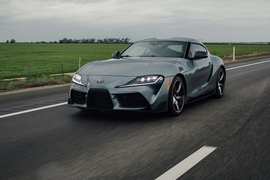
While 90 horsepower is sufficient for most drivers, there are scenarios where power shifts from a comfort factor to a necessity. It becomes a margin of safety. When merging onto a short highway on-ramp with a full load or facing a tight window for overtaking on a country road, the limitations of a low-powered engine become apparent. You wait longer for the car to respond, effectively reducing your maneuvering room.
This isn’t about drama; it’s about physics. In these situations, the feeling isn’t one of inadequacy but of dependency. Drivers realize that they are waiting longer for the vehicle to react. It is at this point that many begin to wish for more power, not out of emotion, but out of a genuine need for greater control.
Cars Under 150 HP: Practical Efficiency
For the average driver seeking fuel efficiency and lower running costs, cars with under 150 horsepower offer a compelling proposition. Modern engineering has significantly improved performance in this segment. For instance, a 2026 Toyota Corolla Hybrid with its 138 horsepower system provides smooth, quiet acceleration ideal for city driving, while achieving exceptional fuel economy.
Fuel Efficiency: Expect combined MPG figures around 50-60.
Lower Running Costs: Reduced fuel consumption translates directly to long-term savings.
Price Point: These vehicles are generally more affordable upfront, leading to a lower total cost of ownership.
Should You Buy a 90 HP Car?
For a city-dweller whose daily commute involves navigating traffic and parking, a 90 HP or 120 HP car is perfectly adequate. These vehicles offer the benefit of lower insurance premiums, reduced fuel consumption, and lighter maintenance costs.
Cost Comparison (Typical 5-Year Ownership):
| Feature | 90 HP Car | 300 HP Car |
| :— | :— | :— |
| Initial Price | Lower | Higher |
| Fuel Economy | Higher | Lower |
| Insurance Cost | Lower | Higher |
| Maintenance | Lower | Higher |
300 Horsepower: Power as a Reserve
A 300-horsepower car fundamentally alters your relationship with traffic. This isn’t because you’re constantly pushing the limits, but because you know you can. Suddenly, the gap between 60 and 100 km/h shrinks to a brief, almost imperceptible moment. Overtaking becomes routine. Acceleration feels less like effort and more like a casual gesture.
In everyday life, this manifests as reduced planning and more fluid reactions. There’s less waiting in critical situations, and a consistent feeling of confidence, even with a full passenger load. This reserve of power can be a source of relief or, for some drivers, a trigger for less responsible behavior. It depends less on the car itself and more on the driver behind the wheel.
However, there are undeniable downsides. More power often comes with increased weight, higher fuel consumption, and fewer opportunities to truly exploit the engine’s potential. The power is readily available, but rarely needed.
Sporty Models with Over 250 HP
For enthusiasts seeking performance-oriented vehicles, models with over 250 horsepower are a natural choice. These vehicles offer superior responsiveness, sharper handling, and a more engaging driving experience. If you prioritize performance above fuel efficiency and initial cost, this segment is worth exploring.
Performance: Responsive acceleration and superior handling capabilities.
Insurance Costs: Expect higher premiums due to the higher value and performance rating of these vehicles.
Driving Experience: Provides a senseKid-Friendly Activities to do on a Rainy Day – The Ultimate Guide (2026). Many drivers find this level of performance justifies the extra expense, as it transforms daily driving into an experience of confidence and control.
The Real Difference: Feeling vs. Numbers
In heavy traffic or on limited roads, the distinction isn’t between weak and strong; it’s between tense and relaxed. One car demands constant attention. The other provides relief.
One works when you think ahead. The other works even when you’re tired. And within these dynamics, two fundamentally different ways of experiencing driving emerge.
Two Ways to Experience Everyday Driving
Some drivers prefer a car that is reliable, predictable, and doesn’t take up more space than necessary. For them, horsepower must be sufficient but never overwhelming.
Others want a car that offers reserves, feels confident, and always seems superior. For them, horsepower isn’t a numerical value but a sense of security or an expression of their self-perception. Both attitudes are legitimate. Both lead to different purchasing decisions.
The Honest Question Before Buying
Not: How much horsepower does the car have?
But rather: When was the last time I was inconvenienced by too little power – and when was I annoyed by too much effort? An honest answer to this question will quickly reveal whether 90 horsepower is enough or if 300 horsepower provides the peace of mind you seek.
What This Means for You
Understanding your personal needs is critical when choosing a vehicle. If your daily driving involves short trips in congested urban areas, a lower horsepower car offers lower running costs and insurance premiums. However, if your driving involves frequent highway merging, hauling heavy loads, or carrying many passengers, a higher horsepower engine provides the necessary margin for safety and comfort.
Should You Buy, Wait, or Rent/Invest?
For those considering a purchase in 2026, the decision largely depends on your financial situation and driving habits.
Buy Now: If you need a reliable vehicle for daily commuting and have a limited budget, a low-horsepower model is a sensible choice.
Wait: If you are considering performance vehicles, waiting for potential price drops or new releases can be beneficial.
Rent/Invest: For those who only need occasional high-performance driving, renting sports cars or opting for ride-sharing services can be more cost-effective than owning.
Best Financial Strategies Right Now (2026)
In the current automotive market, prioritizing value and running costs is crucial.
Focus on Fuel Efficiency: With rising energy prices, hybrids and EVs continue to offer the best long-term savings.
Insurance Optimization: Use online comparison tools to find the best car insurance rates for your specific vehicle and driving profile.
Explore Incentives: New government incentives for electric and hybrid vehicles can significantly reduce the upfront cost.
Cost Breakdown / Pricing Impact

The impact of horsepower on your finances extends beyond the purchase price. Higher horsepower