
Decoding the Power Gap: Why 90 HP Works and 300 HP Rarely Does in 2026 Driving
In the frenetic world of automotive marketing, power reigns supreme. Buyers are bombarded with horsepower figures that promise anything from effortless city commuting to the thrill of a racetrack. Yet, when we strip away the brochures and barroom debates, the reality of everyday driving in 2026 paints a different picture. We often don’t need the explosive torque of a supercar; we need reliability, efficiency, and the confidence of predictable performance.
As an industry veteran with a decade of firsthand experience in the automotive market, I’ve witnessed countless buyers get swept up in the numbers game. They purchase powerful vehicles only to realize that most of that power sits untapped, collecting dust while their wallets pay the premium of higher maintenance and fuel costs. This article will dive deep into the practical necessity of horsepower in the current landscape, examining how 90 horsepower can be perfectly sufficient and why the allure of 300 horsepower often leads to buyer’s remorse. We will explore the real-world scenarios where horsepower actually matters, providing you with the actionable insights to make a wise purchasing decision without breaking the bank.
The Myth of the 0-100 Time in Real-World Traffic
We’ve all seen those glossy comparison charts or watched YouTube reviews where the focus is exclusively on the 0-100 km/h (0-62 mph) time. This metric sounds scientific and objective, but in 2026 traffic, it’s largely irrelevant. The truth is, most everyday driving doesn’t involve a standing start. You’re not launching from a starting grid; you’re merging onto the highway, overtaking a truck on a country road, or navigating slow-moving city streets.
What truly matters is in-gear acceleration. This is the responsiveness you feel between 60–100 km/h (approximately 37–62 mph) without downshifting. It’s the difference between feeling confident and feeling like you’re straining the engine. Many buyers focus on horsepower as a raw statistic without considering the transmission or torque curve, leading to poor decisions that impact cost and driving experience.
Consider the example of an insurance premium on a vehicle with high horsepower. While the purchase price might be enticing, the subsequent costs for car insurance will likely be significantly higher. This is because the risk profile associated with powerful vehicles is different, and insurers factor in the increased potential for faster driving.
90 HP: The Workhorse That Delivers Calm

A vehicle with around 90 horsepower doesn’t scream for attention; it demands consideration. It necessitates planning over impulse, and in return, it rewards the driver with a sense of calm. Here’s what that translates to in 2026 driving conditions:
Controlled Acceleration: The speed builds smoothly, not aggressively.
Deliberate Overtaking: You need to plan maneuvers, ensuring sufficient space before committing.
Mental Engagement: The driver remains attentive because the car doesn’t pull away effortlessly.
For many commuters in urban areas or those who prioritize fuel economy, a 90 HP vehicle is far from sluggish. It requires focus but not strain. Many buyers find this surprisingly relaxing, as there’s no pressure to drive aggressively or compete with surrounding traffic. In essence, 90 horsepower is sufficient—and that’s why it feels right.
Cost Breakdown: When 90 HP Translates to Savings
If you’re considering how much horsepower do you really need, the cost implications are significant. Vehicles with 90 horsepower typically fall into smaller, more fuel-efficient categories, offering substantial savings on:
Purchase Price: The upfront cost is significantly lower than high-horsepower alternatives.
Fuel Economy: These cars are designed for efficiency, reducing your daily running cost.
Maintenance: Smaller engines often mean lower maintenance costs and less wear and tear.
This can be a crucial factor for buyers exploring options for home loans or mortgage rates. Committing to a high-horsepower vehicle when you can’t afford it is a recipe for financial stress. A budget-conscious approach using best options for vehicle financing ensures you maintain financial stability while enjoying reliable transportation.
The Point Where Insufficient Power Becomes a Hindrance
There are scenarios where horsepower moves beyond being a comfort factor and becomes a necessity. It transforms from a luxury into a reserve of time. When attempting to merge onto a busy highway, navigating steep inclines with a full car, or performing a late overtake, you realize the value of a power reserve.
Here, the difference isn’t about having a luxury car—it’s about efficiency and safety. An engine that hesitates to deliver power extends those critical moments, potentially leading to stress or even accidents. It’s not about high performance; it’s about being able to react promptly when needed.
For buyers wondering if a 90 HP car is too slow, I always recommend considering their driving habits. Are you driving primarily in the city with heavy traffic? Are you often navigating hills or mountain passes? For a driver in San Francisco or New York, 90 HP is perfectly adequate. For a driver in Denver or Los Angeles with consistent highway driving or frequent towing, more power might be necessary.
Cars Under 150 HP: A Comparison
While 90 HP might seem low on paper, many manufacturers offer compact and subcompact cars with engines in the 100-150 HP range that are exceptionally economical and versatile.
| Feature | 90 HP Vehicle | 150 HP Vehicle |
| ——————- | ————————————————– | ————————————————— |

| Target Audience | City commuters, value-focused buyers | Versatile drivers, small families |
| Fuel Economy | Excellent (often 30+ MPG) | Good (often 25-30 MPG) |
| Maintenance Cost| Lower | Slightly higher |
| Driving Feel | Efficient, predictable, requires planning | Responsive, versatile, confident |
| Best For | Urban driving, short trips, fuel savings | Mixed driving, highway cruising, some cargo hauling |
This comparison illustrates that even at 150 HP, you don’t necessarily need significantly more horsepower for everyday needs. The cost difference between a 100 HP and 150 HP vehicle is often minimal when considering your overall car insurance and running expenses.
300 HP: Power as a Reserve, Not a Constant State
A vehicle with 300 horsepower fundamentally changes your relationship with the road. It’s not because you are constantly driving faster; it’s because you could. The feeling of confidence when accelerating or merging becomes effortless, as if the car handles demands without effort.
In practice, this means less planning and more reaction. Less waiting in critical situations, and a general feeling of superiority—even when the car is fully loaded. This reserve of power can be both relaxing and provocative. Ultimately, it depends more on the driver than the car.
However, the drawbacks are significant. More horsepower often means more weight, higher fuel consumption, and fewer opportunities to actually use the power legally. The power sits there, under the hood, but rarely sees active service. For buyers comparing home loans, this investment is a luxury they must weigh carefully against their budget and lifestyle.
Sporty Models with Over 250 HP: Are They Necessary?
In today’s market, many manufacturers offer vehicles with over 250 HP that are designed more for status than necessity. These sporty models appeal to a demographic that associates horsepower with success and excitement. However, if you are not a driving enthusiast or a track participant, you will likely never utilize this power.
The reality for buyers in 2026 is that while the acceleration is exhilarating, the extra cost of purchasing, insuring, and fueling a high-HP vehicle often outweighs the marginal benefits of daily driving. Compare this to refinancing opportunities on existing loans. Putting extra money into a car with excessive horsepower when you could be paying down mortgage rates is a poor financial decision.
The Real Difference Lies Not in the Extreme, but in the Feeling
In heavy traffic, on limited roads, or during adverse weather conditions, the distinction isn’t between weak and strong; it’s between stressed and relaxed. One car demands attention and effort; the other relieves it.
One car works when you think ahead; the other works even when you’re tired. These are two fundamentally different ways to experience driving a car in the modern era. It’s here that the cost of each driving style becomes apparent.
Two Ways to Experience Everyday Life
Some drivers prioritize a car that is reliable, responds predictably, and isn’t an unnecessary strain on the budget. For them, horsepower is a necessity—present but not overwhelming. They are typically the buyers looking for best options that fit their financial plan and offer long-term value.
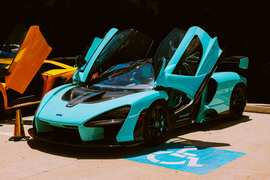
Others seek a car that provides reserves, feels confident, and gives them a sense of authority. For them, horsepower isn’t just a number—it’s a feeling of security or a reflection of how they see themselves. Both attitudes are valid, but they lead to entirely