
Power on the Parkway: Why 90 vs. 300 Horsepower Only Matters When It Matters
When purchasing a vehicle, horsepower (HP) often emerges as the primary performance metric—a 300 HP model often conveys a sense of freedom and dominance, while a 90 HP option can signal compromise or budget constraints. However, the true measure of automotive performance extends far beyond brochure specifications and barroom debates. In everyday driving conditions, the relevance of horsepower shifts significantly. The crucial question isn’t about peak performance capabilities but rather the context in which horsepower is truly needed.
Why the 0-100 km/h Metric Often Fails to Reflect Real-World Needs
Historically, purchasing decisions have been dominated by metrics like 0-100 km/h acceleration times. This number appears objective, measurable, and comparable. In the reality of modern urban and highway driving, however, this metric proves largely irrelevant. Most everyday driving situations do not begin from a complete standstill. Instead, drivers typically navigate scenarios requiring highway merging, overtaking trucks on rural roads, or quick acceleration from medium speeds. Consequently, the metric that matters most is not the sprint from a standstill but the responsiveness of a vehicle in the mid-range speed spectrum. It is in these specific moments that drivers can discern whether an overtaking maneuver feels confident and assured or sluggish and hesitant.
This is where the horsepower ratings of 90 and 300 begin to diverge practically. While 300 HP may provide more reserves for rapid acceleration from a dead stop, many drivers find that 90 HP is perfectly adequate for daily commuting and highway merging. The distinction between these ratings is less about sheer capability and more about the driving experience and the user’s specific needs. A driver who rarely engages in aggressive driving may find 90 HP to be more than sufficient, offering better fuel economy and lower maintenance costs.

90 HP: The Efficient Workhorse That Commands Respect
A vehicle with approximately 90 HP demands clarity and planning rather than raw speed. It rewards drivers with a sense of calmness and control. In everyday situations, this translates to controlled acceleration and conscious decision-making regarding overtaking maneuvers. Unlike higher-powered vehicles that encourage impulsivity, 90 HP encourages drivers to remain actively engaged in the driving process.
In typical daily driving conditions, a 90 HP vehicle is neither slow nor exceptionally fast; it demands attention but not excessive effort. For many drivers, this leads to a surprisingly relaxing driving experience, free from the pressure to rush. Such vehicles are ideal for commuters seeking predictability, reliability, and simplicity without excessive complexity. In these scenarios, power is not the primary goal but rather a functional requirement. When the power is sufficient for the task at hand, the vehicle feels right.
When Insufficient Power Suddenly Becomes Relevant
Situations exist where power shifts from a luxury to a necessity. It becomes a buffer of time. When merging onto a busy highway with a full load or needing to overtake a slower vehicle on a rural road, drivers quickly realize that an engine that resists acceleration extends those critical moments. This isn’t a matter of drama but rather of physics and timing. In these situations, the feeling isn’t a lack of raw power but a lack of room to maneuver. The driver is forced to wait longer for the vehicle to respond. This is where some drivers start wishing for more horsepower, not out of emotional preference but out of necessity and the need for flexibility and safety.
Cars with less than 150 HP generally perform adequately in standard urban traffic, but they may struggle under heavy loads or at higher speeds. The decision to upgrade often comes down to the frequency of such demanding situations and the driver’s comfort level with assertive driving.
300 HP: Power as a Reserve, Not a Constant State
A 300 HP vehicle alters one’s perception of traffic. This is not because the driver is necessarily driving faster but because they possess the capability to do so. Between 60 and 100 km/h, the acceleration is swift and almost casual. Overtaking becomes routine, and acceleration is a mere gesture of the foot.
In daily life, this translates to less planning and more reactive driving. There is less waiting in critical situations and a consistent feeling of confidence, even when the vehicle is fully loaded. This power reserve can be reassuring or it can be tempting. Ultimately, the perception of this power depends less on the vehicle itself and more on the individual behind the wheel.
However, there are downsides. Higher horsepower often correlates with increased vehicle weight, lower fuel efficiency, and fewer opportunities to exploit the full potential of the engine. The power is readily available but rarely necessary for everyday commutes. For consumers in high-cost-of-living areas where fuel prices are volatile, this added capability may prove to be a significant financial burden.
Sporty Models with Over 250 HP: A Luxury for the Everyday
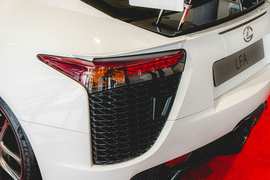
When comparing vehicles in the 250 HP and above category, drivers often prioritize performance over practicality. However, these vehicles tend to be more expensive to maintain, insure, and operate. Factors such as increased tire wear, higher fuel consumption, and more frequent maintenance contribute to a higher total cost of ownership. For the average consumer, the benefits of a 250 HP engine may not justify the increased expenditure in daily driving.
In contrast, a 90 HP engine offers superior fuel efficiency and lower insurance rates. While the initial purchase price of a 90 HP vehicle might be slightly higher due to its efficiency rating, the long-term cost of ownership typically remains lower. For budget-conscious consumers, this financial advantage can outweigh the allure of higher horsepower.
The Real Difference Lies Not in the Extreme, but in the Feeling
In heavy traffic, on limited roads, or under changing driving conditions, the distinction is not between weak and strong but between tense and relaxed. One vehicle demands the driver’s attention, while the other relieves it. One works when the driver anticipates the road ahead, while the other works even when the driver is fatigued.
This divergence creates two fundamentally different ways of experiencing daily commutes. Some drivers prefer a vehicle that is reliable, responds predictably, and occupies only the space it requires. For them, power is a necessary component of the vehicle but not the primary focus.
Others desire a vehicle with substantial reserves, a confident feel, and a sense of superiority. For these drivers, power is not merely a number but a feeling of security or an expression of self-perception. Both perspectives are valid, and both lead to different purchasing decisions. When comparing these driving philosophies, it becomes apparent that the optimal vehicle is the one that aligns with the driver’s individual needs and preferences.
The Honest Question Before Buying
The critical question is not about the vehicle’s horsepower rating, but about how power is used. Rather than asking “How much horsepower does the car have?” the driver should ask: “When was the last time I was frustrated by too little power—and when was I bothered by too much effort?” Honest answers to this question quickly reveal whether 90 HP is sufficient or if 300 HP provides the peace of mind the driver seeks.
Conclusion
90 HP and 300 HP do not represent better or worse; rather, they represent different expectations for daily life. One vehicle fits a life that requires efficiency, while the other fits a life that demands effortlessness and command. Ultimately, there is no objective winner—only the car that perfectly matches your personal driving style and needs.
Power on the Parkway: Why 90 vs. 300 Horsepower Only Matters When It Matters
The Economics of Power: 90 HP vs. 300 HP in 2026
When purchasing a vehicle, horsepower (HP) often emerges as the primary performance metric—a 300 HP model conveys a sense of freedom and dominance, while a 90 HP option signals compromise or budget constraints. However, the true measure of automotive performance extends far beyond brochure specifications and barroom debates. In everyday driving conditions, the relevance of horsepower shifts significantly. The crucial question isn’t about peak performance capabilities but rather the context in which horsepower is truly needed. This decision carries significant weight in 2026, as rising fuel costs, fluctuating insurance rates, and tightening consumer budgets force a reassessment of what constitutes “enough power.”
Why the 0-100 km/h Metric Often Fails to Reflect Real-World Needs
Historically, purchasing decisions have been dominated by metrics like 0-100 km/h acceleration times. This number appears objective, measurable, and comparable. In the reality of modern urban and highway driving, however, this metric proves largely irrelevant. Most everyday driving situations do not begin from a complete standstill. Instead, drivers typically navigate scenarios requiring highway merging, overtaking trucks on rural roads, or quick acceleration from medium speeds. Consequently, the metric that matters most is not the sprint from a standstill but the responsiveness of a vehicle in the mid-range speed spectrum. It is in these specific moments that drivers can discern whether an overtaking maneuver feels confident and assured or sluggish and hesitant.

This is where the horsepower ratings of 90 and 300 begin to diverge practically. While 300 HP may provide more reserves for rapid acceleration from a dead stop, many drivers find that 90 HP is perfectly adequate for daily commuting and highway merging. The distinction between these ratings is less about sheer capability and more about the driving experience and the user’s specific needs. A driver who rarely engages in aggressive driving may find 90 HP to be more than sufficient, offering better fuel economy and lower maintenance costs. In 2026, with gas prices remaining volatile and a focus on affordability, this makes the lower-powered option increasingly attractive.