
The Color Shift: Why Americans Are Ditching Gray for Daring Hues in 2026
It’s hard to ignore when you walk through a new car dealership or cruise down your local used car lot: the landscape of parked vehicles is evolving. For years, the streets have been dominated by a sea of grayscale—white, black, and silver reigned supreme, making America’s car palette feel as bland as a beige wall. But according to industry experts, the tide is turning, and the automotive industry is bracing for a vibrant makeover.
The automotive color trends of the 2010s and early 2020s were largely a response to risk aversion. As the average new car price climbed to nearly $50,000, buyers became increasingly cautious. They opted for neutral colors to preserve resale value and avoid the perception of making a risky financial decision. But this era of safe choices is giving way to a demand for individuality and self-expression.
“We are witnessing a clear shift in the automotive palette,” says Gloria Jover, an automotive color expert at the Pantone Color Institute. “While grayscale still dominates market share, we are seeing growth in expressive colors. This isn’t a random fluctuation; it’s driven by a deeper societal trend.”
This change marks a significant reversal from the last two decades. Just twenty years ago, car colors were significantly more diverse. The automotive industry is now responding to a psychological shift in how people view their vehicles. They are no longer just transportation assets; they are extensions of personality, reflections of lifestyle, nature-linked aesthetics, and even vehicles for social commentary.
The Rise of Eco-Consciousness: Green Leading the Charge
If there’s one color that epitomizes the modern consumer’s desire for connection, sustainability, and individuality, it’s green. According to BASF, a leading global supplier of car paint, green has become the most dynamic chromatic mover worldwide. This surge is closely linked to the enduring popularity of SUVs and crossovers, particularly those marketed towards environmentally conscious buyers and outdoor enthusiasts.
“Green signals individuality and a connection to the natural world,” explains Jover. “It taps into a sense of responsibility and adventure. When consumers choose a green vehicle, they often associate it with their values and lifestyle.”
Misty Yeomans, automotive color and styling manager for PPG (another major paint supplier), notes that the appeal extends beyond deep greens. Light minty and willowy greens are also gaining traction. PPG’s color of the year, “Secret Safari,” is a prime example—a soft, organic, and mineral-inspired hue that visually conveys efficiency and advanced mobility.
“These earthy tones resonate with a growing desire for simplicity, sustainability, and a connection to nature,” Yeomans explains. “We see these colors appearing in new vehicle launches, particularly in the electric vehicle space where eco-conscious messaging is paramount.”
Exploring the Unexpected: Violets, Oranges, and Earthy Tones
Beyond green, other colors are challenging the dominance of gray by tapping into consumer fascination with the unusual and the aspirational.
The Interstellar Appeal: Cosmic Purples and Blues
As interest in space exploration, astrology, and the cosmos continues to grow, so does the popularity of deep violets. These colors evoke a sense of otherworldliness, technological sophistication, and cosmic adventure.

“Consumers are constantly inspired by space travel and exploration,” Yeomans says. “We are seeing a rise in intergalactic looks, featuring deep purplish blues that shift to black or include star-like sparkle finishes. This trend is about escapism and pushing boundaries.”
Automotive brands are taking note. Dodge, in particular, has capitalized on this trend with colors like Purple Haze and After Dark on its new Charger models. These dramatic hues evoke the mystery of the night sky and the allure of interstellar travel.
The Golden Hour: Atmospheric Oranges
Another emerging trend is the rise of atmospheric oranges. These colors are influenced by the enduring appeal of golden hour selfies and the warmth of natural sunsets. They also evoke the ruggedness of rock formations and the high-energy feel of technical outdoor apparel.
Gypsy Modina, principal designer of color, material, and finish at Honda, notes the strong connection between orange and the outdoors. The brand recently launched its rugged new Passport TrailSport SUV in an exclusive Sunset Orange, perfectly capturing the essence of adventure and exploration.
“Orange is a bold choice that conveys energy and confidence,” Modina says. “It resonates with buyers who see their vehicles as tools for adventure and personal expression. This color signifies a desire to explore the world and live life to the fullest.”
The EV Influence: Electrification Drives Innovation
Despite slowing growth in the electric vehicle market, EVs continue to be a major driving force behind automotive color innovation. As manufacturers shift toward electric power, they are also redefining the aesthetics of personal mobility.
Smoked Neutrals: A Subtle Shift
For buyers who still prioritize a refined, understated look but want something beyond standard gray, smoked neutrals are emerging as a popular choice. These colors are subtly tinted with brownish or greenish undertones, creating a sophisticated, luxurious feel.
“Smoked neutrals allude to a mood of quiet luxury and sophistication,” Jover explains. “They are understated yet distinctive, making them a popular choice for luxury and high-end vehicles.”
Jeep has embraced this trend with olive tones on its upcoming Recon electric off-roader. These colors blend the practicality of military-inspired hues with the eco-friendly messaging of electrification.
Rejuvenating Familiar Colors: Matte and Pearl Finishes
New finishes are also breathing fresh life into familiar color families. Matte ethereal silvers are gaining traction among electric car buyers, resonating with values such as efficiency, minimalism, and advanced mobility. Dodge’s “Triple Nickel” on its Charger EV and Jeep’s “Silver Zynith” on the Wagoneer S EV are perfect examples of this trend.
Pearl-Infused Whites: Evoking Luxury and Innovation
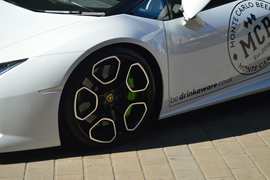
Pearl-infused whites are also on the rise, referencing EV hallmarks such as luminosity, depth, and the expression of innovation and precision. Honda’s innovative 0-Series concept vehicles showcased this trend, featuring pearl finishes that radiated a sense of futuristic elegance.
“The ability to create these premium finishes at scale is a testament to the advancements in automotive manufacturing technology,” says Yeomans. “AI assistance is speeding up the R&D process, allowing us to develop new colors and finishes more efficiently.”
What This Means for You: Your Next Car Buying Decision in 2026
So, how does this shift in color trends affect you as a buyer, seller, or investor in the current market? Understanding these trends can help you make smarter financial decisions when buying or selling a vehicle.
Should You Buy, Wait, or Rent/Invest?
For Potential Buyers: If you prefer bolder colors, now is a great time to buy. Many manufacturers are offering more diverse options to appeal to trend-conscious consumers. Be prepared for a slightly longer wait for certain custom colors and finishes. Consider your long-term holding plans—some emerging colors may hold their resale value better than others as trends evolve.
For Potential Sellers: If you own a bold or trending color, you might be sitting on a valuable asset. Colors like green, orange, and violet are becoming more desirable, which could lead to higher trade-in values or faster sales. If you own a standard gray or white vehicle, consider how you can accessorize or detail it to make it stand out in a sea of neutrals.
For Investors: The shift towards more expressive colors indicates a potential change in market demand. Consider investing in used cars with these popular hues. Additionally, keep an eye on EV trends—as electric vehicles become more affordable and accessible, the demand for bold EV colors will likely increase, creating opportunities for resale profits.
Best Financial Strategies Right Now (2026)
Embrace the Trends: If you want to stand out and feel connected to the latest styles, choose one of the emerging bold car colors. Don’t be afraid to experiment—you might find that a color you never considered is the perfect fit for your new car.
Explore Custom Options: As AI-assisted manufacturing becomes more common, custom finishes are more accessible than ever. Consider adding a pearl finish to a silver or white car or trying a unique smoked neutral to elevate the vehicle’s look.
Focus on Value: While bold colors are trendy, don’t forget the basics. Resale value remains important, especially with high car prices. Research which colors hold their value best in your region and factor that into your purchase decision.
Think Long-Term: If you plan to keep your car for many years, consider a color that will remain stylish over time. While bold colors are fun, neutrals may offer better long-term resale value.
Cost Breakdown / Pricing Impact (if applicable)
The cost of premium car paints and finishes has historically been a barrier for many buyers. However, advances in manufacturing technology are democratizing luxury aesthetics.

Matte and Pearl Finishes: These finishes can add anywhere from $500 to $2,0