From Monochrome to Vibrant: Are We Entering a New Golden Age of Car Colors?
The automotive landscape is poised for a dramatic visual transformation. After years of being dominated by a grayscale monotony—white, black, and silver vehicles creating a sea of visual sameness in our parking lots—the industry is signaling a significant shift. This is not just a fleeting fad; it’s a fundamental evolution in consumer aesthetics, driven by a desire for greater personal expression, deeper connections with nature, and the inspiring influence of cutting-edge technology.
For decades, the American new-car market has been defined by safety. According to industry data, nearly 80% of new vehicle purchases in 2026 still favor neutral, “grayscale” hues. This preference is a direct result of the traditional vehicle ownership cycle. The soaring cost of new vehicles, which now average close to $50,000, and the predictable depreciation of assets have conditioned consumers to prioritize resale value. Car dealerships naturally stock what sells best, and car shoppers understandably choose neutral colors to protect their investment.
However, this trend is showing cracks. Evidence suggests that while safety and residual value remain paramount, consumer appetite for vibrant, expressive colors is steadily increasing. The market share of colored vehicle paints has risen by almost two percentage points in the last five years, marking a distinct reversal of the 21st-century trend that saw automotive colors become half as vibrant as they were just two decades prior.
The Rise of Environmental Consciousness: Green Takes the Lead
The most striking shift in automotive color trends is the ascendance of green. This is not simply a random choice; it’s deeply rooted in the modern consumer’s deepening engagement with the natural world. The enduring popularity of SUVs and crossovers has cemented green’s position as the most dynamic color mover globally.
For the modern buyer, green signals more than just eco-consciousness; it represents individuality and a connection to the outdoors. Marketing imagery for nature-oriented vehicles increasingly features vibrant greens that resonate with consumers’ self-image and lifestyle aspirations. Automakers like Honda have capitalized on this trend, launching new crossover models with exclusive sunset orange or earthy moss finishes.
But the shift goes beyond earthy tones. Leading paint manufacturers like PPG have identified a growing appeal for more ethereal, light greens. PPG’s Color of the Year, “Secret Safari,” captures this trend perfectly. This soft, organic hue signals efficiency, minimalism, and advanced mobility. Mistie Yeomans, automotive color and styling manager at PPG, notes that these colors are likely to become more prevalent in the coming years as consumers seek to project a sense of calm and refinement.
Beyond Earth Tones: Deep Violets and Evocative Blues
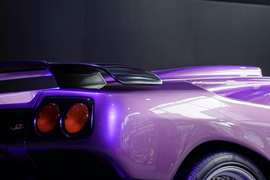
While green leads the pack, deep violets are also emerging as a significant trend. This rise reflects a fascination with space, otherworldly aesthetics, and technological escapism.Consumers continue to be captivated by the allure of space exploration, fueling a desire for colors that evoke the cosmos. This manifests as purplish blues that shift to black or sparkle like starlight, playing into the fantasy of futuristic technology and interstellar travel.
Automakers are already capitalizing on this. Dodge has launched new Charger models with colors like Purple Haze and After Dark, directly tapping into the “intergalactic” look that appeals to the tech-savvy consumer. These bold colors represent a departure from the safe neutrals, allowing drivers to express a more adventurous and futuristic side.
“Atmospheric” oranges are also on the rise, influenced by the enduring popularity of golden hour selfies. Orange is also increasingly associated with ruggedness and outdoor adventure, reminiscent of rock formations and technical outdoor apparel. Gypsy Modina, principal designer of color, material, and finish at Honda, points to the courageous, energetic feel of these colors. Honda’s new Passport TrailSport SUV, for example, features a exclusive Sunset Orange that embodies this adventurous spirit.

The EV Effect: How Electrification is Driving Color Innovation
Electric vehicles (EVs) are not just changing the way we drive; they are fundamentally altering the aesthetics of the automotive industry. Despite slowing growth in the EV market, their influence on color trends remains strong. Automotive leaders consistently point to EVs as the primary driver of new color innovation.
One of the most notable EV-driven trends is “smoked neutrals.” These are subtly tinted greys infused with delicate chromatic undertones, often leaning towards brown or green. These colors allude to moods typically associated with quiet luxury and sophisticated minimalism. Pantone’s Gloria Jover notes that smoked neutrals are gaining traction as consumers increasingly seek understated elegance and refined design.
New finishes are also revitalizing familiar color families. Matte ethereal silvers are becoming increasingly popular among electric cars. These finishes reflect core electrification values such as efficiency, minimalism, and advanced mobility. Dodge’s Charger EV features “Triple Nickel,” and the Jeep Wagoneer S EV boasts “Silver Zynith,” both epitomizing this trend.
Furthermore, an upsurge in pearl-infused whites references EV hallmarks such as luminosity, depth, and innovation. These sophisticated whites are no longer just simple gloss; they now feature pearlescent finishes that reflect light in dynamic ways. Honda’s conceptual 0-Series vehicles showcased this innovation, signaling a new standard for EV aesthetics.
AI-Assisted Color Development: Speeding Up the Creative Process
The pace of color development in the automotive industry is accelerating thanks to artificial intelligence. AI assistance in paint formulations is democratizing finishes, particularly those that were once exclusive. What once required tedious manual research and slow development cycles can now be achieved much more efficiently.
“With technological advances like AI, we can be more efficient in developing colors, compressing timelines, moving faster,” says Yeomans. This accelerates the R&D process, allowing companies to quickly respond to shifting consumer preferences. Modina adds that AI is helping reduce the time it takes to survey existing colors and research what competitors are doing.
AI is also making luxury finishes accessible to a wider range of vehicles. “We can make a version of luxury styling to fit any price point now,” Yeomans notes. This means that premium finishes like matte and pearlescent are no longer limited to expensive luxury vehicles; they can be incorporated into more affordable models, democratizing design innovation across the industry.
The Financial Implications of Color Choice: Buyers and Sellers Weigh In
For consumers in 2026, choosing a car color is more than just an aesthetic decision; it’s a financial one. The long-term cost of ownership remains a significant factor in the decision-making process.
Resale Value and Depreciation: Traditionally, neutral colors like white, black, and silver have held their value better over time. While this trend still holds true to some extent, the rising demand for expressive colors is beginning to shift the market. Vehicles in highly desirable colors may actually appreciate in value or command a premium at resale. Buyers should compare the projected resale value of their preferred color using online appraisal tools to understand the long-term financial implications.
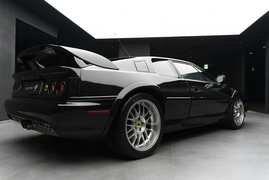
Depreciation Impact: The depreciation of a vehicle is a major cost for car owners. While the overall depreciation rate has increased due to soaring new car prices, the choice of color can influence how quickly a vehicle loses value. Vehicles that are easier to resell typically depreciate slower. This is why it is crucial for buyers to consider the rarity and appeal of certain colors when assessing the total cost of ownership.
Insurance Costs: Insurance companies may view certain colors as riskier than others. While this is not always a major factor, highly vibrant or unusual colors may sometimes lead to slightly higher insurance premiums because they are more prone to attracting attention or may have less protection from theft or vandalism. Buyers should compare insurance rates before purchasing to understand the potential impact on their monthly expenses.
Customization and Upgrades: Automakers increasingly charge premiums for premium colors and finishes. Pearl-infused whites, matte finishes, and multi-tone paints come at a cost, and buyers should factor this into their overall budget. Understanding the pricing structure for customization options is essential to ensure the total cost of the vehicle aligns with financial goals.
What This Means for You: Navigating the Color Landscape in 2026
For the modern buyer, the evolving landscape of automotive colors offers both challenges and opportunities. Here is what you need to consider before making your next purchase:
Align Your Choice with Your Lifestyle: If you prefer a calm, elegant aesthetic, look for muted colors like smoked neutrals or earthy greens that signal minimalism and sophistication. If you want to express boldness and individuality, consider vibrant colors like atmospheric oranges or deep violets that make a statement. The best color for you depends on your personal style and how you want your vehicle to represent you.
Compare Resale Value and Depreciation: Do not simply choose your favorite color; research its long-term value. Use online tools to compare the projected resale value of different colors for the specific make and model you are considering. This can help you make a financially sound decision that protects your investment over time.
Budget for Customization: Premium colors and finishes come at a cost. Before choosing a color, calculate the total cost of customization options and ensure they fit within your budget. Understand that upgrades often come with a higher price tag and may impact your monthly payments and insurance rates.
Stay Informed on Industry Trends: The automotive color landscape is constantly evolving. Stay informed about emerging trends by reading industry publications and comparing different models. Keeping up with the latest color innovations can help you make a decision that is both aesthetically pleasing and financially sound.
Best Financial Strategies for Color Decisions in 2026
Prioritize long-term value: Consider how your color choice will impact resale value over time. Neutral colors generally depreciate slower, but highly desirable colors can appreciate.
Compare insurance rates: Check insurance costs for your preferred color to understand the potential impact on your monthly expenses.
Budget for upgrades: Factor customization costs into your