Is the Reign of Gray Car Colors Over? Why 2026 May Be the Year for Bold Automotive Hues
It feels like every parking lot and street is dominated by grayscale—white, black, gray, and silver vehicles. For years, these colors have been the safe, predictable choice for American car buyers. They are easy to maintain, hold their resale value well, and feel timeless. But are these popular neutral colors finally fading out? According to automotive experts and industry trends, the answer is increasingly yes. We’re seeing a shift toward more exciting and distinctive color choices that reflect modern lifestyles, environmental consciousness, and personal expression.
The Dominance of Gray: A Look at Recent Trends
Historically, automotive color preferences have often followed economic and social cycles. For example, the post-war boom of the 1950s saw a surge in pastel and bright colors that mirrored the exuberant optimism of the era. More recently, the rise of white automotive finishes in the 2010s coincided with the popularity of shiny, white tech gadgets like iPods and iMacs.
However, over the last two decades, automotive colors have become notably less vibrant. Current data from major automotive paint suppliers confirms that neutral, grayscale colors still dominate the market. Close to 80 percent of new car buyers in the United States currently choose white, black, silver, or gray for their vehicles. This trend is largely driven by economics and consumer psychology. Purchasing a new car is a significant financial decision, and these grayscale colors are perceived as the safest bet.
The Financial Case for Gray
Why are gray car colors so popular? There are several key financial and practical reasons for this trend:
Resale Value: Buyers want to maximize their return on investment when they trade in or sell their car. They assume neutral colors are more universally appealing, making the car easier to sell and potentially fetching a higher price.
Maintenance: Darker colors like black or very light colors like white show dirt, dust, and scratches more easily than gray or silver. Gray is often perceived as the most forgiving color when it comes to hiding minor imperfections and road grime, reducing maintenance costs and effort.
Depreciation: Cars are depreciating assets, and buyers often worry about the rate at which their vehicle loses value. By choosing a popular, conservative color, buyers feel they are mitigating the financial risk associated with depreciation.
Emotional Safety: For many buyers, a car is the most expensive purchase they will make after a home. Choosing a neutral color is a way to play it safe and avoid the “risk” of choosing a trendy color that might be out of style in a few years.
This focus on financial safety and practicality has created a feedback loop. Car dealers stock more neutral colors because they know those sell best. Car shoppers, wanting a safe bet, gravitate toward neutrals. This cycle has been difficult to break.
Is Gray Fading? Emerging Color Trends for 2026
Despite the enduring popularity of gray and neutral colors, automotive industry experts are observing a clear shift in consumer preferences. Many are moving away from safe, predictable choices and embracing more expressive and personality-driven automotive hues.
According to Gloria Jover, an automotive color expert at the New Jersey-based Pantone Color Institute, the market share of colored car paints has increased by almost two percentage points in recent years. This may not sound like much, but in the automotive world, where trends shift slowly, it represents a significant reversal of 21st-century trends.
So, what are the emerging color trends for the next five years, and what is driving these changes?
The Natural World: Green, Earth Tones, and Outdoor Aesthetics
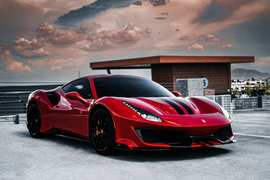
One of the most significant drivers of automotive color trends today is consumer engagement with the natural world. This connection is most evident in the rising popularity of green automotive finishes.
Green is currently the most dynamic chromatic mover globally, according to Pantone’s Jover. This surge is directly linked to the continued popularity of SUVs, crossovers, and pickup trucks. These vehicles are strongly associated with outdoor lifestyles, adventure, and environmental consciousness. When buyers choose a green finish, they are often making a statement about their identity and their connection to nature.
Misty Yeomans, automotive color and styling manager for paint giant PPG, notes a particular interest in softer, more organic shades of green. These include light, earthy tones that look natural, mineral-inspired, and subtle. Some manufacturers are highlighting these colors to appeal to consumers who value minimalism, efficiency, and eco-friendly transportation. Expect to see more soft greens and earthy tones appearing in new car lineups in the coming years.
Exploring Otherworldly and Expressive Tones
While green is leading the way, consumers are also expressing interest in other unique colors that reflect our fascination with space, technology, and individuality.
Deep Violets and Galactic Blues
Deep violets and rich purples are emerging as another important color trend. These shades are often associated with our attraction to otherworldliness and advanced technology. Consumers remain fascinated by space travel and exploration, and this interest is reflected in automotive colors that mimic starry skies or technological fantasies.
One area showing particular interest is purple-blue finishes that shift to black or have a sparkling, star-like effect. These colors appeal to buyers who want to convey a sense of luxury, sophistication, and futurism.
“Atmospheric” Oranges and Sunset Hues
Orange is also gaining popularity in the automotive world, particularly in its warmer, more “atmospheric” forms. This trend is influenced by several factors:
Golden Hour Aesthetic: The popular trend of golden hour selfies has influenced preferences for warm, flattering light and colors. This translates to a desire for oranges that evoke this warm, inviting glow.
Natural Inspirations: Orange is also inspired by rock formations, sunsets, and natural landscapes. Manufacturers often use orange to highlight the ruggedness and adventurous spirit of SUVs and off-road vehicles.
Outdoor Apparel: The colors found in technical outdoor gear and clothing often influence automotive aesthetics. Orange is a common color in activewear, suggesting energy, vitality, and a love for the outdoors.
Brands are incorporating these oranges into rugged new vehicles, such as Honda’s Passport TrailSport SUV, which launched in a unique Sunset Orange. This strategy leverages the color to convey a sense of adventure, exploration, and connection to the outdoors.
The Influence of Electric Vehicles (EVs) and AI
Electric vehicles (EVs) continue to influence automotive aesthetics, even as growth slows in some areas. Electrified vehicles are leading many of the color trends we are seeing today.
Sophisticated Neutrals for EVs
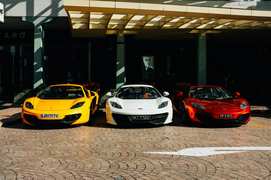
For EVs, smoked neutrals are gaining traction. These are subtle tints of brown or green gray that add warmth and sophistication to electric cars.
Luxury and Minimalism: These colors often allude to quiet luxury, minimalism, and efficiency—core values associated with electric vehicles. Jeep’s upcoming electric Recon off-roader is a prime example, featuring a subtle olive finish.
Pearlized and Ethereal Finishes: New finishes are also rejuvenating familiar color families. Matte ethereal silvers are becoming more popular among electric cars because they align with the values of efficiency, minimalism, and advanced mobility.
AI’s Role in Color Development
Technological advancements, particularly Artificial Intelligence (AI), are transforming how automotive colors are developed. AI is making the process faster, more efficient, and more accessible.
“With technological advances like AI, we can be more efficient in developing colors, compressing timelines, moving faster,” says Misty Yeomans. AI is speeding up the R&D process by helping manufacturers survey existing colors and those used by competitors more quickly.
AI is also democratizing finishes that were once exclusive. Finishes like matte or pearlescent coatings used to be expensive and difficult to apply. Now, AI-powered formulations make these luxury finishes accessible at a lower price point. This means that more consumers can afford premium-looking car colors, even if they are on a tighter budget.
What This Means for You: Financial Implications of Car Color Choices
Understanding these trends is crucial for consumers who are currently in the market for a new car or planning to purchase one in the next few years. Your choice of car color is no longer just about aesthetics; it also has financial implications.
Should You Buy, Wait, or Rent/Invest?
The shift in color trends raises important questions for buyers and investors.
For Buyers
If You Prioritize Resale: If your primary concern is maximizing resale value, you might want to stick with popular, neutral colors like silver or gray. They may hold their value slightly better than bolder, trendy colors in the short term. However, if you are keeping your car for a long time, you might find more joy in choosing a color you truly love, rather than sticking with the “safe” option.
If You Want to Stand Out: If you want your car to reflect your personality and stand out from the crowd, now is a good time to explore bolder colors. With growing interest in green, purple, and orange, these colors may become more mainstream and hold their value better than in the past.
Timing the Market: If you are looking for the absolute lowest prices, keep an eye on interest rates. Even if you prefer a specific color, waiting for favorable mortgage rates or auto loan rates could save you thousands of dollars over the life of the loan.
For Investors
Risk vs. Reward: Investing in cars is a niche market, but for those who do, color is a significant factor. Highly specific or niche colors might attract certain collectors or buyers, potentially commanding higher prices. Conversely, rare or unique colors could alienate some buyers,