
The Spectrum Shifts: Will Americans Ditch Gray for Daring Colors in 2026?
In the current automotive landscape, the dominant visual theme in parking lots and showrooms alike can be characterized as… muted. 80 percent of new car buyers in the United States are currently opting for a neutral grayscale—white, black, or silver—a phenomenon that has persisted for years. However, emerging data suggests that this preference for the predictable is beginning to soften. A growing wave of consumer confidence and a desire for personal expression are prompting automotive manufacturers to experiment with bolder color palettes, hinting at a significant chromatic shift in the years ahead.
For the average American car buyer in 2026, the purchase of a new vehicle represents one of the most substantial financial commitments outside of a home, with the average price of a new car now exceeding $50,000. This hefty investment often drives buyers toward safer, more conservative choices to maximize future resale value. Consequently, dealerships have historically stocked neutral colors because they tend to sell faster, creating a self-fulfilling cycle of blandness.
This trend stands in stark contrast to automotive history. The mid-20th-century era of unparalleled post-war optimism was reflected in the era’s pastel-colored vehicles, and the turn of the millennium witnessed the influence of the early 2000s tech revolution, where brands like Apple cemented white as a staple for its clean, modern aesthetic.
Yet, the dynamics of the American car market are evolving. To understand the future of automotive color, we must look at current consumer psychology and the latest automotive color trends for the next five years.
The Drive Towards Differentiation: When Gray Isn’t Enough
While American consumers have historically gravitated toward blues and reds—traditional favorites—current industry forecasts indicate a marked decline in these preferences. This shift isn’t random; it reflects broader societal currents that are influencing consumer behavior and vehicle aesthetics.
According to BASF, a global leader in automotive coatings, the most significant development in vehicular color has been the rise of green. This chromatic movement is directly tied to the sustained popularity of SUVs and crossovers. These vehicles are strongly associated with outdoorsy lifestyles and ecological responsibility, both in marketing imagery and in the self-perception of buyers who choose them. The color green signals individuality and a connection to the natural world, a sentiment that resonates strongly in an increasingly technology-driven society.
Gloria Jover, an automotive color expert at the Pantone Color Institute, notes that consumers are increasingly drawn to lighter, earthier tones. Colors like sage green and delicate light greens—such as PPG’s color of the year, “Secret Safari”—are gaining traction. Described as organic and mineral, these soft green shades reflect values of efficiency, minimalism, and sustainable mobility. Such hues are expected to become more prevalent on vehicles in the coming years, signaling a growing awareness of environmental impact.
Beyond green, another color rooted in the physical world is emerging as a signifier of both nature and the futuristic allure of space travel. Deep violets and purplish blues, some with iridescent effects, are gaining popularity. These colors evoke a sense of the ethereal, connecting consumers to dreams of exploration and escape. Brands like Dodge have capitalized on this trend with bold colors such as “Purple Haze” and “After Dark” for their new electric muscle cars.

The rise of automotive photography and social media has also influenced color choices. “Atmospheric” oranges are emerging, inspired in part by the enduring popularity of golden hour selfies. Oranges also conjure rock formations and evoke the courageous, energetic feel of technical outdoor apparel. This aesthetic is evident in brands like Honda, which recently launched its rugged new Passport TrailSport SUV in a distinctive Sunset Orange. The choice of color is no longer just about preference; it’s about aligning the vehicle with a lifestyle and a personal brand.
Electric Vehicles and AI: The New Catalysts for Color Innovation
Despite the slowing growth of the electric vehicle (EV) market in the United States, the influence of electric cars on aesthetics remains profound. Electric vehicles are now leading many of the color trends that we see in the broader market. As consumers increasingly prioritize EV safety features and charging station availability, they also seek vehicles that reflect the ethos of electric mobility.
Misty Yeomans, automotive color and styling manager for PPG, observes that “smoked neutrals”—subtly tinted grayish or brownish colors with delicate chromatic undertones—are gaining traction in the EV segment. These colors evoke a mood of quiet luxury and sophisticated technological advancement. The olive used to launch Jeep’s upcoming Recon electric off-roader exemplifies this trend, merging earthy tones with rugged capability.
New finishes are also revitalizing familiar color families. Matte ethereal silvers are on the rise among electric cars, as they reflect core electrification values such as efficiency and minimalism. “Triple Nickel” on Dodge’s Charger EV and “Silver Zynith” on Jeep’s Wagoneer S EV are prime examples of this trend. Additionally, an upsurge in pearl-infused whites references EV hallmarks such as luminosity and precision. These were notably featured on Honda’s radical 0-Series concept vehicles.
The development of these new colors and finishes is also being revolutionized by artificial intelligence. According to Yeomans, “With technological advances like AI, we can be more efficient in developing colors, compressing timelines, moving faster.” This acceleration is reshaping the automotive research and development process. Honda’s Gypsy Modina adds that AI is condensing the typically tedious efforts of surveying existing colors and analyzing competitor offerings.
Furthermore, AI-assisted paint formulation is democratizing finishes that were once considered exclusive or difficult to achieve. Yeomans notes that AI allows the industry to create versions of luxury styling accessible at any price point. This technological shift is making it easier for manufacturers to respond to evolving consumer tastes and bring fresh, innovative colors to market more quickly.
The Financial Reality: What Color Means for Your Wallet
When consumers are researching how to buy a new car in 2026, the decision of color often comes down to a subtle balance between personal preference and financial pragmatism. While bolder colors are trending, the underlying concern for most buyers revolves around car depreciation and resale value.
“Consumers choose neutral colors because they know they sell best,” explains Jover. “Car shoppers buy neutrals to maximize resale value.” In an era where the average cost of a new car exceeds $50,000, protecting that investment is paramount. A buyer choosing an unpopular color risks taking a larger financial hit when they decide to trade in their car, potentially making it harder to qualify for their next vehicle loan.
However, there’s a growing counter-argument from automotive designers who suggest that this conservatism might be leading to a loss of vehicle personality and even affecting the resale value itself. If every other car in the parking lot is white, silver, or black, then vehicles that stand out—especially those with unique, popular colors—might become more desirable to buyers looking for something special.
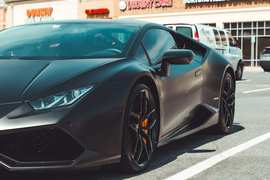
For those actively researching which car color holds value best, the consensus remains that neutral colors like white and black typically fare the best. White cars are popular for their aesthetic appeal and association with modernity, while black cars offer a classic, premium look. However, as consumer preferences evolve and bolder colors become more mainstream, the dynamics of used car values may shift.
Navigating the Color Trend: What This Means for You
The automotive color trend of 2026 presents both opportunities and challenges for consumers looking to purchase a new vehicle. Understanding the underlying factors—consumer psychology, EV influence, and technological advancements—is crucial for making an informed decision that aligns with both your personal style and financial goals.
For buyers in the new car market, the trend toward bolder colors suggests that manufacturers are responding to consumer demand for individuality and expression. If you prefer a unique color, now might be a good time to consider it, as the market is shifting to accommodate more vibrant choices. However, it’s important to research the resale value of specific colors in your preferred vehicle segment.
For those concerned about vehicle depreciation, choosing a neutral color remains the safest bet. White, black, and silver continue to dominate the market because they appeal to the broadest range of buyers, making them easier to sell when the time comes to refinance your auto loan or upgrade your vehicle.
If you’re in the market for an electric vehicle, the trend toward smoked neutrals, matte silvers, and pearlescent whites reflects the industry’s focus on efficiency, minimalism, and innovation. These colors are expected to remain popular in the EV segment as these vehicles become more common.
Should You Buy, Wait, or Rent/Invest?
For those contemplating the decision of when to buy a car, the current market offers a mixed bag. Car insurance rates remain high due to factors like increasing repairs and inflation, which should be factored into your overall budget. Additionally, interest rates for car loans have stabilized but remain higher than recent historical lows, making it essential to compare offers from multiple lenders.
If you’re on the fence, consider these strategies:
For Buyers Seeking Individuality: Embrace the trend toward bolder colors. A unique color can express your personality and make your car stand out from the crowd. Research your preferred model to ensure the color is well-received in the market.

For Risk-Averse Buyers: Stick with neutrals. White, black, and silver offer the best protection against depreciation and remain the most popular choices in the used market.