
2026 Auto Color Trends: Why Buyers Are Ditching Gray and Choosing Vibrant Hues
The automotive landscape is undergoing a seismic shift. For years, the dominant trend has been a preference for grayscale vehicles—white, black, or silver—which now account for nearly 80 percent of new car purchases in the United States. However, data from leading industry analysts reveals a significant reversal of this long-standing trend. A growing number of consumers are moving away from neutral colors and embracing more vibrant, unique hues, signaling a broader cultural move toward individuality and a greater connection to the natural world.
This article explores the driving forces behind this transformative aesthetic shift, featuring expert insights from the automotive color and styling sphere. We will examine why the decades-long reign of “safe” colors is coming to an end, how the rise of electric vehicles is reshaping car color trends, and what buyers should consider as the market continues to evolve.
The Era of Gray: A Tale of Safe, Conservative Choices
The pervasive presence of white, black, and silver in parking lots is no longer just a matter of preference; it is a reflection of deeply embedded consumer behavior and economic realities. Industry observers have long noted that car shoppers choose neutral colors to protect the resale value of their vehicles. Given that the average price of a new car in the United States has recently surpassed the $50,000 mark, the financial implications of making a poor color choice are more significant than ever.
For decades, car dealers have stocked neutral-colored vehicles because they know those colors sell the fastest. This cycle perpetuates itself: consumers buy what dealers have, and dealers buy what consumers buy. This dynamic has led to a homogenization of the automotive palette, where the desire to minimize depreciation and maximize return on investment has often outweighed the desire for personal expression.
Historical Drivers of Automotive Color Trends
Automotive color trends are often cyclical, influenced by broader cultural and technological shifts. The exuberant consumer optimism of the 1950s spurred a surge in brightly colored pastel vehicles, reflecting a post-war era of confidence and exuberance. More recently, the glossy white aesthetic of early-2000s tech devices like the iPod and iMac influenced the rise of white as a dominant automotive color in the 2010s.
However, the current trend toward muted, grayscale colors can be traced back to a period of economic uncertainty and a desire for stability. As car prices continued to climb, buyers became more risk-averse, preferring neutral tones that remained popular regardless of market conditions. This strategy has served consumers well in terms of resale value, but it has also led to a lack of variety and personality in the automotive market.
The Shift: What’s Driving the Comeback of Color?
The automotive industry is finally experiencing a shift away from the dominance of neutral colors, driven by a confluence of factors including changing consumer preferences, technological advancements, and a desire for individuality.
Shifting Consumer Preferences and the Influence of Nature
One of the most significant drivers of the shift in automotive color trends is a renewed engagement with the natural world. This influence is most evident in the rise of green, which has become a globally dynamic chromatic force in the automotive industry.
Gloria Jover, an automotive expert at the New Jersey-based Pantone Color Institute, notes that green is increasingly appealing to consumers looking for vehicles that reflect their connection to the outdoors. “Green signals individuality and a nature-linked aesthetic,” Jover explains. This trend is particularly strong among buyers of SUVs and crossovers, who often use their vehicles for outdoor activities and seek a connection to nature through their automotive choices.

Misty Yeomans, automotive color and styling manager for paint giant PPG, identifies a growing interest in minty and willow-like light greens. She points to PPG’s color of the year, “Secret Safari,” which is described as “organic” and “mineral.” These soft green colors visually reflect efficiency, minimalism, and advanced mobility, and are expected to appear more frequently in the coming years.
The Intergalactic Trend: A Fascination with Space Exploration
Deep violets are also emerging as a significant automotive color trend, signaling a renewed fascination with space exploration and otherworldliness. Yeomans notes that consumers remain highly interested in space and space travel, leading to a rise in what she describes as an “intergalactic look.”
This trend includes purplish blues that shift to black or have a star-like sparkle, tapping into our technological fantasies for exploration and escape. Dodge has capitalized on this trend with colors like Purple Haze and After Dark on its new Charger models.
The Golden Hour Influence: Atmosphere and Adventure
“Atmospheric” oranges are also gaining traction, influenced in part by the enduring appeal of golden hour selfies and rock formations. According to Gypsy Modina, principal designer of color, material, and finish at Honda, oranges also evoke the courageous and energetic feel of technical outdoor apparel. The brand recently launched its rugged new Passport TrailSport SUV in an exclusive Sunset Orange colorway, specifically designed to appeal to buyers seeking adventure and individuality.
EVs and AI: The Drivers of Color Innovation
The rise of electric vehicles (EVs) and artificial intelligence (AI) is fundamentally reshaping automotive color trends and development processes. Despite slowing growth in the EV market, the influence of these technologies on aesthetics remains strong.
Electrification Trends: Smoked Neutrals and Matte Finishes
Electric vehicles are leading many of the color trends in the automotive industry. As Modina points out, “Electrified vehicles are now leading a lot of the color trends.”
One notable trend in EV aesthetics is the popularity of “smoked neutrals.” These are subtly tinted brownish or greenish grays infused with delicate chromatic undertones, alluding to moods typically associated with quiet luxury. Jover notes that one example of this trend is the olive color used to launch Jeep’s upcoming Recon electric off-roader.
New finishes are also rejuvenating familiar color families. Matte ethereal silvers are gaining traction among electric cars, as they reflect core electrification values such as efficiency, minimalism, and advanced mobility. “Triple Nickel” on Dodge’s Charger EV and “Silver Zynith” on Jeep’s Wagoneer S EV are prime examples of this trend.
In addition, there is a resurgence in pearl-infused whites, which reference EV hallmarks such as luminosity, depth, and expressions of innovation and precision. These were seen on Honda’s radical (and recently cancelled) 0-Series concept vehicles.
AI Accelerates the Design Process
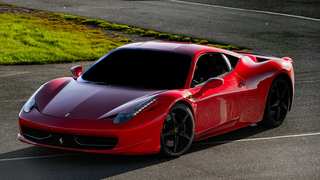
Artificial intelligence is also transforming how automotive colors are developed. With technological advances like AI, manufacturers can be more efficient in developing colors, compressing timelines and moving faster. As Yeomans states, “It’s speeding up the R in our R&D,” condensing the previously tedious efforts of surveying existing colors and/or those used by competitors.
Furthermore, AI assistance in paint formulations is democratizing finishes, making luxurious aesthetics accessible at any price point. Yeomans explains, “We can make a version of luxury styling to fit any price point now.” This means that consumers can now enjoy sophisticated finishes like matte and pearlescent without the prohibitive cost that was once associated with them.
What This Means for You: Navigating the New Color Landscape
The evolving color trends in the automotive market present both opportunities and challenges for buyers. As the market shifts away from neutral colors, consumers have more options than ever to express their individuality through their vehicles. However, it is still essential to consider the potential impact of color choice on resale value and long-term costs.
Should You Buy, Wait, or Rent/Invest?
The decision of whether to buy, wait, or rent/invest depends on individual circumstances and risk tolerance. With the average new car price hovering around $50,000, the financial implications of these choices are significant.
Buying: For buyers who prioritize personalization and individuality, now is a good time to explore the growing range of vibrant colors available. However, buyers should be aware that colors outside of neutral tones may depreciate slightly faster, though the difference is shrinking as more unique colors become popular.
Waiting: If your primary concern is maximizing resale value and minimizing long-term costs, waiting might be a good option. As the market continues to evolve, more consumer preferences for unique colors will emerge, potentially leveling the playing field for those who choose non-neutral hues.
Renting/Investing: Renting can be a cost-effective way to drive different cars without committing to a purchase or depreciation. Alternatively, investing in classic or collectible cars offers a different kind of value, where unique colors can become highly desirable and appreciate over time.
Best Financial Strategies Right Now (2026)
Given the current economic climate and market trends, here are some financial strategies to consider:
Prioritize Fuel Efficiency: With gas prices remaining volatile, choosing a fuel-efficient vehicle is a smart long-term financial decision. Electric vehicles (EVs) offer low running costs, while hybrid and plug-in hybrid vehicles (PHEVs) provide a balance of efficiency and versatility.
Consider EV Incentives: Federal and state incentives can significantly reduce the cost of purchasing an EV. Before buying, research available tax credits and rebates that can lower your overall price.
Leverage AI Tools for Comparison Shopping: Utilize AI-powered tools to compare pricing and financing options. Sites like LendingTree, Bankrate, and CarsDirect can help you find the best rates on loans and insurance, potentially saving you thousands of dollars over the life of the vehicle.
Cost Breakdown / Pricing Impact (if applicable)
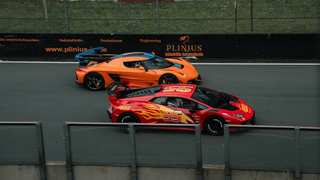
The price of a car is determined by many factors, including the model, features, and trim level. However, color can also impact the price of a vehicle. Neutral colors like white, black, and silver are typically the most popular and therefore