Reimagining the New Car Palette: Why Bold Colors Are Back After Years of Gray Dominance
For nearly two decades, the automotive landscape has been defined by neutrality. Walk through any modern parking lot, and you’re likely to see a sea of white, black, and silver vehicles. According to data analyzed in early 2026, approximately 80% of new car buyers in the United States still opt for these traditional “grayscale” hues. However, a seismic shift is underway. While gray isn’t disappearing entirely, more daring and expressive colors are poised for a major comeback, signaling a shift in consumer psychology and technological influence.
This dramatic reversal marks a significant departure from the trends of the 21st century. The era we’re emerging from saw car colors become almost half as vibrant as they were just two decades prior. Industry insiders attribute this “blandification” to a cyclical desire for safety. When purchasing an increasingly expensive and depreciating asset, such as a new vehicle—whose average price has climbed to around $50,000—consumers instinctively play it safe. Car dealers, prioritizing sales volume and profitability, stock neutral colors because they know those sell best. Consequently, car shoppers, worried about resale value, gravitate toward the safest bets.
Yet, history teaches us that automotive color trends are deeply cyclical. The exuberant optimism of the 1950s fueled a demand for bright, pastel-colored vehicles. Similarly, the rise of white as the dominant automotive color in the 2010s was largely influenced by the glossy white finish of early-2000s tech devices like iPods and iMacs, making white a symbol of sleek innovation and modernity.
So, as we look ahead to the next five years, what are the emerging color trends shaping used cars for sale and new vehicle aesthetics?
Color Comes Back: Moving Away from the Norm
Despite the continued dominance of neutrals, market data clearly shows the color palette is evolving, not stagnating. Automotive color experts observe that the demand for non-traditional colors has increased by nearly two percentage points in recent years. Interestingly, the most popular choices for these expressive vehicles aren’t the usual suspects like blues and reds. Data from BASF, the global chemical giant that supplies nearly half of all new car paints worldwide, reveals that both blue and red are currently dipping in popularity among American car buyers.
The Rise of Green: An Ecological and Personal Statement
Instead, the primary driver behind this chromatic evolution is the increasing engagement with and connection to the natural world. This shift is most evident in the surging popularity of green car colors. According to Gloria Jover, automotive expert for the New Jersey-based Pantone Color Institute, green “has become the most dynamic chromatic mover worldwide.”
This ascent is directly linked to the persistent popularity of SUVs and crossovers. Marketing imagery and buyers’ self-images for these vehicles are overwhelmingly dominated by outdoorsy, ecological symbolism. Jover explains that “Green signals individuality and a nature-linked aesthetic.” This sentiment is echoed by Misty Yeomans, automotive color and styling manager for paint giant PPG, who notes a significant appeal of minty and willowy light greens. One striking example is PPG’s color of the year, “Secret Safari,” described as “organic” and “mineral.” Jover adds that these soft green colors “visually reflect efficiency, minimalism, and advanced mobility,” making them prime candidates for the new car palette in the coming years.
Emerging Favorites: Dark Violets and Warm Oranges
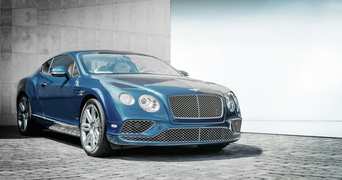
Deep violets are also emerging as a new way for consumers to express their attraction to the natural world—or perhaps something more otherworldly. “Consumers have continued to be super interested in space and space travel, so we’re seeing a rise in an intergalactic look,” says Yeomans. This includes purplish blues that shift to black or possess a star-like sparkle, tapping into our tech-driven fantasies for exploration and escape. Dodge has successfully capitalized on this trend with distinctive colors like Purple Haze and After Dark on its new Charger models.
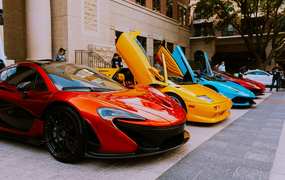
Another emerging trend involves “atmospheric” oranges. Yeomans attributes this surge in part to the ongoing appeal of golden hour selfies. However, oranges also evoke the rich hues of rock formations and are inspired by the adventurous, energetic feel of technical outdoor apparel. Gypsy Modina, principal designer of color, material, and finish at Honda, notes that “The brand recently launched its rugged new Passport TrailSport SUV in an exclusive Sunset Orange,” perfectly capturing this outdoor-inspired movement. For buyers looking for unique colors, these options offer a clear departure from the monochrome norm.
EVs and AI Drive Color Innovation
Despite slowing growth in recent years, the influence of electric vehicles (EVs) on automotive aesthetics remains incredibly strong. Modina from Honda states, “Electrified vehicles are now leading a lot of the color trends.”
Smoked Neutrals and Premium Finishes
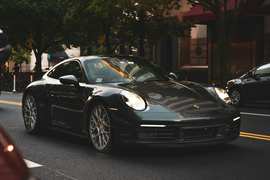
For buyers considering EVs, smoked neutrals are gaining significant traction. These are subtly tinted brownish or greenish grays infused with delicate chromatic undertones, alluding to the moods typically associated with quiet luxury. Pantone’s Jover notes that this trend is evident in colors like the olive used to launch Jeep’s upcoming Recon electric off-roader.
Furthermore, new finishes are rejuvenating familiar color families. Matte ethereal silvers are particularly popular among electric cars, as they reflect core electrification values such as “efficiency, minimalism, and advanced mobility.” Jover points to “Triple Nickel” on Dodge’s Charger EV and “Silver Zynith” on Jeep’s Wagoneer S EV as prime examples of this trend. An upsurge in pearl-infused whites references EV hallmarks like “luminosity, depth, and expressing innovation and precision.” These were prominently featured on Honda’s radical, though recently cancelled, 0-Series concept vehicles.
The Speed of Innovation: How Technology is Changing Color
Beyond the specific hues, the way car colors are developed is undergoing a radical transformation, driven by artificial intelligence (AI). Yeomans notes, “With technological advances like AI, we can be more efficient in developing colors, compressing timelines, moving faster.” This acceleration extends into the research and development process, condensing what was once tedious work of surveying existing colors and competitors’ offerings.
AI assistance in paint formulations is also democratizing premium finishes, making those previously exclusive to luxury vehicles accessible to a wider range of car buyers. “We can make a version of luxury styling to fit any price point now,” Yeomans adds. For shoppers interested in affordable used cars with premium finishes, this technological shift suggests that more options will become available in the near future.
What This Means for You: Your Automotive Color Choices in 2026
For the average consumer looking to purchase a new or used car, the evolving color landscape presents both opportunities and decisions to consider. Here is how these trends might influence your next automotive purchase.
Should You Buy, Wait, or Rent/Invest?
The continued rise in new car prices makes the decision to buy more significant than ever. However, the surging popularity of “grayscale” colors, particularly white and black, might be a double-edged sword for buyers. While neutral colors historically offer better resale value, they are also becoming the least expensive, most abundant options.
If you prioritize high resale value, it might be time to wait. As the market continues to shift toward more diverse colors, the saturation of whites and blacks may decrease demand, potentially lowering prices in the used car market over time.
On the other hand, if you value personalization and uniqueness, now is an excellent time to buy. The growing acceptance of green and violet indicates that these colors will likely hold their value better as they become the new “safe” options. Exploring used cars for sale in my area that feature these unique colors could offer a distinct vehicle that maintains its aesthetic appeal longer than mass-market grays.
Investment buyers may also find opportunities in these trends. Vintage cars featuring bright, retro colors (like the pastels of the 1950s) could see a resurgence in value as current buyers seek authentic, statement pieces. Conversely, if you are looking to capitalize on the “smoked neutral” trend, you may want to invest in EVs that feature premium finishes, as these are likely to become the next status symbol.
Best Financial Strategies Right Now (2026)
Calculate Your True Cost of Ownership
As new car prices approach $50,000, understanding the total cost of ownership is critical. When evaluating car loans or financing options, consider how the color might impact insurance premiums. While some studies show little difference, dramatic colors may lead to slightly higher rates, depending on your location and risk profile. Always get loan quotes and compare the total monthly cost, including the potential impact of color on your insurance rates.
Explore Pre-Owned Vehicles for Better Value
Many buyers who gravitate toward “bland” colors do so to maximize resale value. However, purchasing a slightly older used car with a popular color can save you tens of thousands of dollars. By looking at used cars for sale near me, you can find models that have already depreciated, allowing you to access premium finishes like matte silvers or pearl whites at a fraction of the original price. This strategy aligns with the goal of money content by maximizing financial efficiency.
Consider leasing as an Option
If you love changing your car’s color every few years, leasing a new car might be a more financially sensible option than buying. Leasing allows you to experience the latest trends—such as EVs with unique finishes or eye-catching, nature-