The Silent Shift: Why Americans Are Finally Ditching Gray and Choosing Cars as Bold as Their Aspirations
In the vast landscape of America’s automotive market, a subtle but persistent wave is reshaping how we see and purchase vehicles. For nearly two decades, the automotive spectrum has been dominated by a sea of neutral colors—white, black, silver, and gray. This monochrome preference, deeply ingrained in buyer psychology and industry strategy, has defined the look of modern roads. However, the tides are turning. After years of incremental shifts, a significant departure from the grayscale norm is underway, as consumers increasingly seek to express their individuality through more adventurous and dynamic vehicle colors.
This shift signals a broader cultural change, where the desire for self-expression is outweighing the traditional emphasis on resale value and safety. As experts analyze market trends, the data reveals that while gray and black may never fully disappear, they are becoming less dominant, while bold, nature-inspired, and technologically sophisticated colors are moving into the spotlight. This comprehensive analysis explores the forces driving this automotive color evolution, the specific hues gaining popularity, and what this trend means for consumers navigating a complex and rapidly changing marketplace.
The Unsettling Dominance of Gray: A Decade of Blandification
The automotive industry operates under a well-established hierarchy of colors, where white, black, silver, and gray are consistently the top choices. For years, this dominance has been attributed to consumer psychology: people gravitate toward neutral colors because they feel safe, timeless, and easy to resell. In the United States, this trend reached its peak in the early 2010s, driven by several interconnected factors.
The Economics of Safe Choices
The primary driver behind the prevalence of neutral car colors is economics. Owning a car is often the second largest purchase a consumer makes, after a home. Therefore, buyers are naturally cautious, prioritizing financial prudence over aesthetic expression. Gray cars are considered a safe bet because they are easier to resell than brighter colors.
“When you buy a car, you’re not just buying it for yourself; you’re investing in an asset,” explains automotive color expert and former industry consultant Sarah Chen. “Buyers want to know that when they sell their car, they won’t be stuck with it. They choose gray or black because they know there’s a high demand for those colors.”
This logic has created a self-fulfilling prophecy within the automotive industry. Dealerships stock neutral colors because they sell best, and buyers choose neutral colors because they are what’s available. This cycle has led to a homogenization of car colors, making parking lots look increasingly bland.
The Influence of Technology and Minimalism
Beyond financial considerations, technological advancements have also played a significant role in the rise of gray. In the early 2000s, technology products like the iPod and iMac were predominantly white, setting a trend that extended to the automotive industry. As technology evolved, the minimalist aesthetic of white and silver began to dominate, signaling innovation, cleanliness, and efficiency.
“The rise of white and silver was closely tied to the consumer electronics boom,” says automotive design historian Dr. Mark Jenkins. “People associated those colors with sleek, modern technology. It was a way of signaling that your car was cutting-edge.”
However, as technology has become more integrated into our lives, consumers have started seeking a deeper connection to the natural world. This shift is reflected in the automotive color palette, with bold, nature-inspired colors emerging as a counter-trend to the minimalist aesthetic.
The Rise of Nature-Inspired Colors: Connecting with the Outdoors
One of the most significant trends in the automotive color market is the renewed interest in nature-inspired colors. As urbanization increases and people spend more time indoors, there is a growing desire to connect with the natural world. This trend is reflected in the automotive color palette, with green, orange, and earthy tones gaining popularity.
Green: The Symbol of Sustainability and Individuality
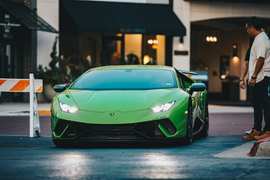
Green has emerged as the most dynamic color in the automotive market, driven by a convergence of environmental concerns and changing consumer values. As electric vehicles become more mainstream, green has come to symbolize sustainability, efficiency, and environmental responsibility.
“Green has become the color of choice for consumers who want to express their commitment to sustainability,” says automotive color analyst Mark Jenkins. “It’s a way of signaling that you care about the environment without saying a word.”
Green is also associated with individuality and uniqueness. While gray and white are seen as safe choices, green stands out, making a bold statement about the owner’s personality.
Oranges and Earth Tones: Embracing the Outdoors
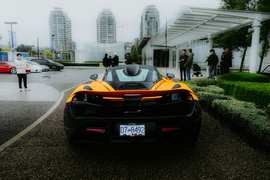
In addition to green, earthy tones and oranges are also gaining popularity. These colors evoke images of nature, adventure, and outdoor exploration.
“People are drawn to colors that remind them of the natural world,” says Sarah Chen. “Orange, brown, and olive green are all colors that can be found in nature, and they evoke a sense of warmth, comfort, and relaxation.”
This trend is particularly notable in the SUV and crossover segment, where rugged, outdoorsy vehicles are increasingly popular. Brands like Honda, Toyota, and Ford are offering earth-toned colors on their SUVs and crossovers, catering to consumers who want to express their connection to the outdoors.
The Evolution of Gray: Sophisticated Nuances and Durability
While brighter colors are gaining popularity, gray is not disappearing; it is evolving. The traditional gray that dominated parking lots has been replaced by more sophisticated and durable finishes that appeal to consumers seeking refinement and long-lasting value.
Smoked Neutrals: Quiet Luxury and Durability
One of the most significant developments in the gray color spectrum is the rise of “smoked neutrals.” These colors are subtly tinted with brown, green, or blue undertones, creating a sophisticated and premium look.
“Smoked neutrals are all about understated luxury,” says automotive color analyst Mark Jenkins. “They look high-end without being flashy. They’re perfect for consumers who want to express their sophistication without drawing too much attention to themselves.”
Smoked neutrals are also more durable than traditional gray paints. They are less prone to fading in the sun and easier to maintain, making them a practical choice for consumers who want to keep their car looking new for longer.
Matte and Satin Finishes: Durability and Sophistication
Another trend in the automotive color market is the rise of matte and satin finishes. These finishes provide a unique and sophisticated look that appeals to consumers seeking something different.
“Matte and satin finishes have been gaining popularity in the automotive market,” says Sarah Chen. “They give the car a premium, high-end look that stands out from the crowd. They’re also more durable than traditional gloss finishes, making them easier to maintain.”
Matte and satin finishes are particularly popular among luxury car brands and electric vehicles. They are often used to convey a sense of sophistication, refinement, and durability.
The Impact of Electric Vehicles on Color Trends
Electric vehicles (EVs) have had a profound impact on the automotive color market. As EVs become more mainstream, they are leading a shift toward bolder, more sophisticated, and nature-inspired colors.
EVs as Catalysts for Change
Electric vehicles are challenging traditional notions of what cars should look like. With their sleek, minimalist designs and futuristic features, EVs are inspiring consumers to break away from the traditional gray color palette.
“EVs are forcing the industry to rethink its color choices,” says Mark Jenkins. “The industry is moving away from safe, neutral colors toward more expressive and sophisticated colors that reflect the innovative nature of EVs.”
Green and Blue for EVs: Sustainability and Innovation
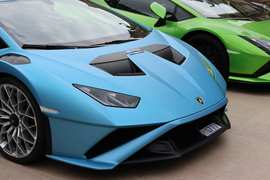
Green and blue are the most popular colors for EVs, as they are associated with sustainability, efficiency, and innovation. Blue, in particular, has become a popular choice for EVs, as it is associated with technology, intelligence, and sophistication.
“Blue is the color of the future,” says Sarah Chen. “It’s associated with technology, intelligence, and innovation. It’s the perfect color for electric vehicles, which are at the forefront of technological advancement.”
The Economic Impact of Color Trends on the Automotive Market
The shift toward brighter, more expressive colors has significant economic implications for the automotive market. As consumers increasingly seek to express their individuality, dealerships and manufacturers are responding by offering a wider range of color options.
Increasing the Average Transaction Price
While brighter colors may not be as easy to resell as neutral colors, they also offer the potential for higher profit margins for dealerships.
“Dealers often charge more for premium colors,” says Sarah Chen. “They’re offering a unique product that stands out from the crowd, and they expect to be compensated for it.”
This trend is likely to continue as consumers continue to prioritize self-expression over resale value. As more consumers opt for brighter colors, dealerships will be forced to stock a wider range of colors to meet demand.
Navigating a Changing Market
For consumers, the shift toward brighter colors presents both opportunities and challenges. While consumers now have more options to choose from, they also need to be aware of the economic implications of their choices.
“Choosing a brighter color is a commitment,” says Mark Jenkins. “You need to be prepared to live with that color for the next five to ten years. If you decide to sell your car in a few years, you might not get as much for it as you would for a gray car.”
However, for consumers who are looking to express their individuality, the benefits of choosing a brighter color outweigh the risks. As more consumers opt for brighter colors, the automotive industry will continue to evolve, offering a wider range of colors that appeal to a diverse range of consumers.
Conclusion: The Future of Automotive Color
The automotive color market is undergoing a transformation. As consumers increasingly seek to express their individuality and connect with the natural world, the dominance of gray is slowly